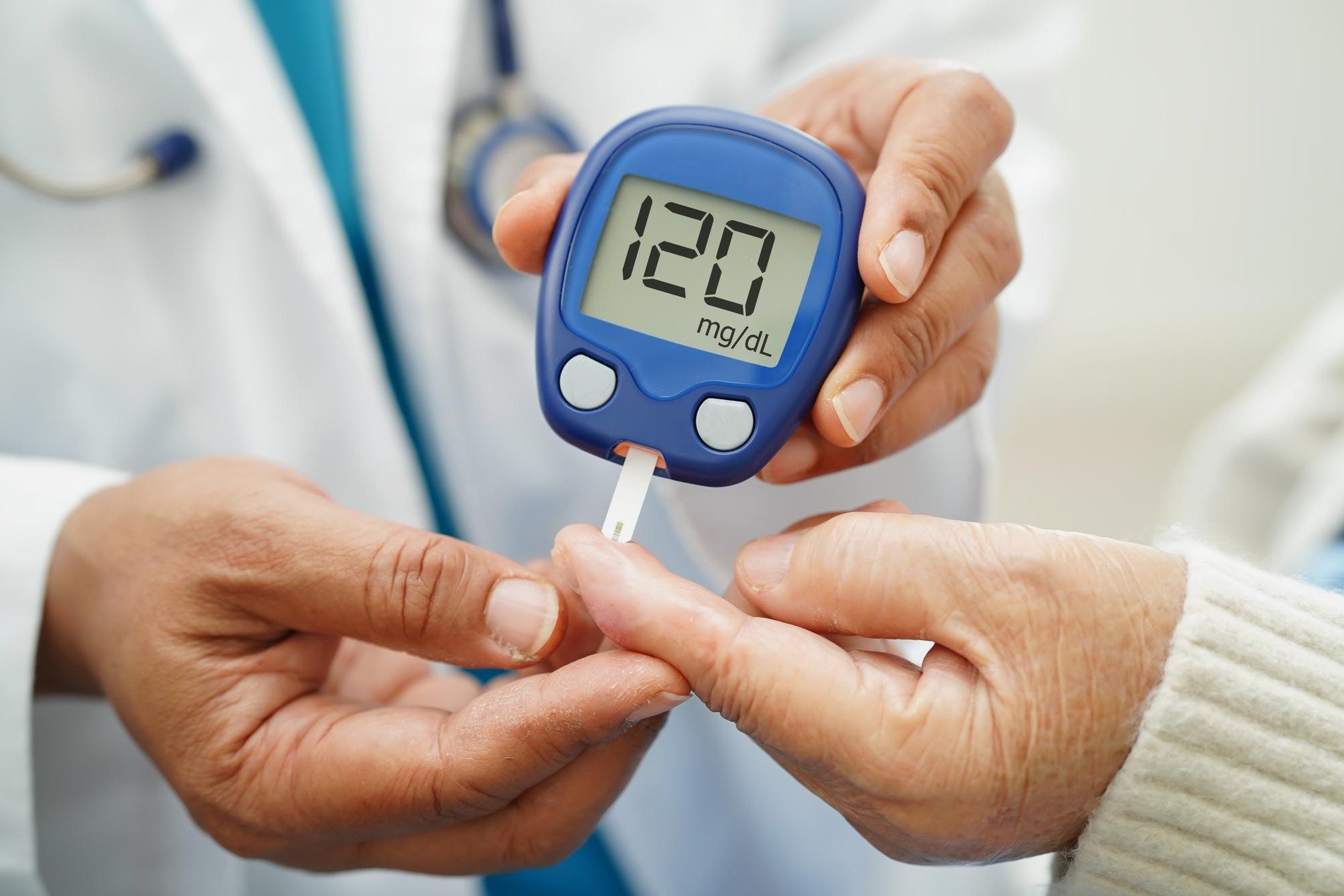
Diabetes can affect many organs over time, including the kidneys. People searching for a Diabetes Specialist in Kalwa may therefore need more than glucose monitoring when urine tests or kidney function results begin showing abnormalities.
Diabetes-related kidney disease can progress gradually, sometimes without obvious early symptoms.
Why Diabetes Can Affect the Kidneys
Kidneys contain tiny filtering structures that continuously clean the blood.
Persistently elevated blood glucose can contribute to changes within these filters over time. High blood pressure, smoking, cardiovascular risk, duration of diabetes can also influence kidney risk.
This does not mean every person with diabetes will develop kidney failure.
Regular monitoring helps identify people who may require closer attention.
Kidney Damage May Initially Be Silent
Early diabetes-related kidney changes often do not cause pain.
A patient may have normal-looking urine plus no noticeable swelling while laboratory testing reveals increased urinary albumin.
This is one reason symptom-based monitoring alone is insufficient.
Which Kidney Tests Are Commonly Considered?
Doctors may use serum creatinine plus eGFR to assess filtration.
Urine testing for albumin can help detect kidney damage. The exact testing schedule depends on diabetes type, duration, previous results, medical history.
Blood pressure monitoring is also important because diabetes plus hypertension can increase kidney risk.
When Nephrology Input Becomes Relevant
Kidney-focused evaluation may be useful when eGFR declines, urinary protein increases, kidney function changes unexpectedly, blood pressure becomes difficult to control, another kidney condition is suspected.
Not every abnormal kidney result in a person with diabetes is automatically caused by diabetes.
Kidney stones, urinary obstruction, infection, medication effects, other kidney diseases can occur in people who happen to have diabetes too. Proper assessment helps distinguish these possibilities.
Medication Requires Individual Review
Modern diabetes care includes several medication classes. Selection depends on the patient's glucose levels, cardiovascular profile, kidney function, other health considerations.
Some diabetes medicines require dose adjustment at reduced kidney function.
Patients should not change medication independently after seeing an abnormal creatinine report. The treating physician can determine whether modification is needed.
Avoid Extreme Diet Changes
People living with diabetes plus kidney disease sometimes receive conflicting dietary advice.
A diabetes diet may focus on carbohydrate quality plus glucose control, while advanced kidney disease may require attention to additional nutrients.
This makes individualized dietary planning valuable.
Overly restrictive self-designed diets can create nutritional problems.
Prepare for Your Consultation
Bring recent glucose records, HbA1c reports, kidney function tests, urine reports, blood pressure readings, current medication details.
This gives the clinician a broader picture than any single result.
At Hope Kidney Care, patients in Kalwa with diabetes-related kidney concerns can receive nephrology assessment focused on renal function plus associated risk factors.
The aim of kidney monitoring is to identify changes early, manage contributing factors, review medications appropriately, establish whether specialist follow-up is required.
People with diabetes should not wait for obvious kidney symptoms before discussing abnormal urine or blood results. Kidney involvement may remain clinically quiet during earlier stages.
Regular medical follow-up, appropriate laboratory monitoring, blood pressure management, individualized diabetes care can provide a clearer understanding of kidney risk plus the steps needed to protect long-term renal health.
Keywords